Material Identity & Design Language
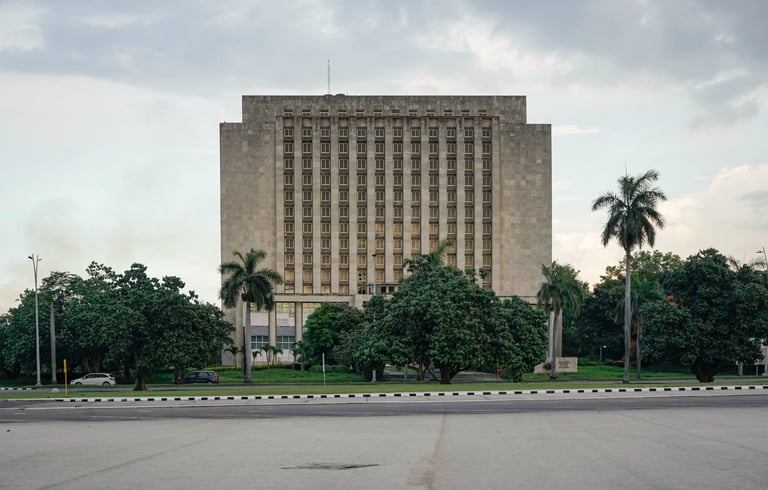
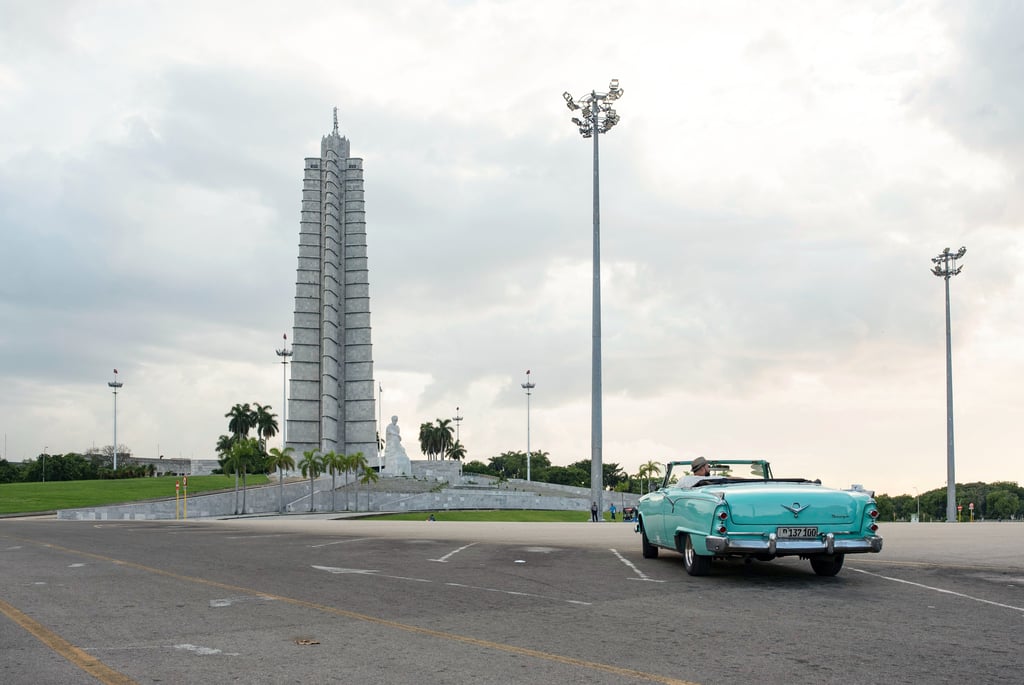
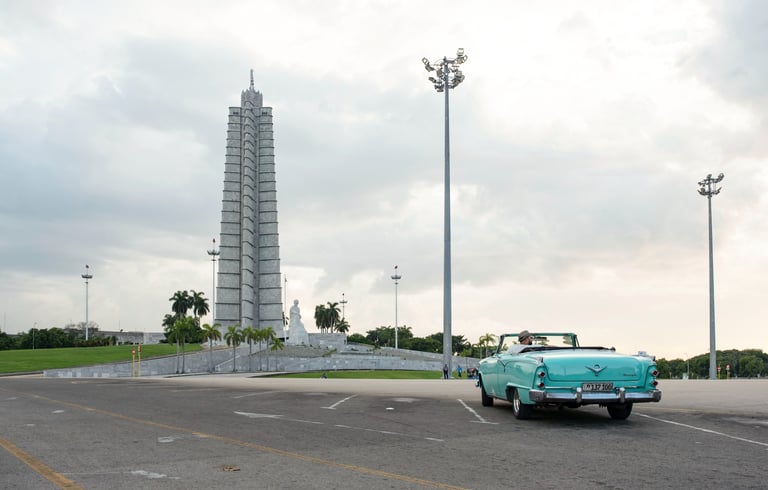
Plaza de la Revolución,
Havana, Cuba
Exploring how Havana’s architectural character, material palette, and cultural identity can inform contemporary landscape design.
The study examines how local patterns, textures, colour, and public space traditions can shape a context-responsive design language rooted in place.
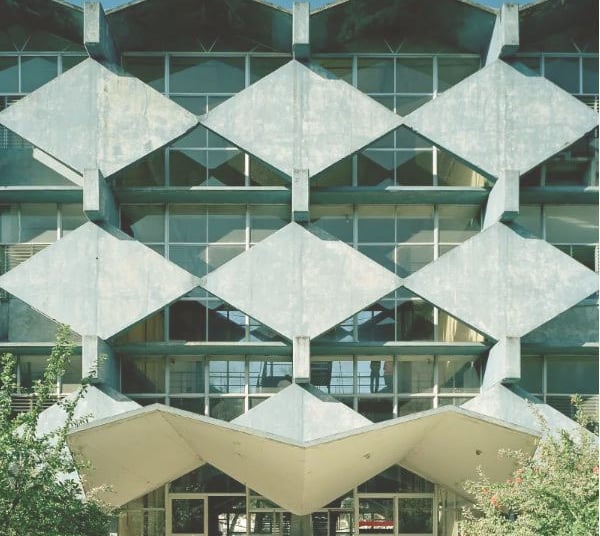
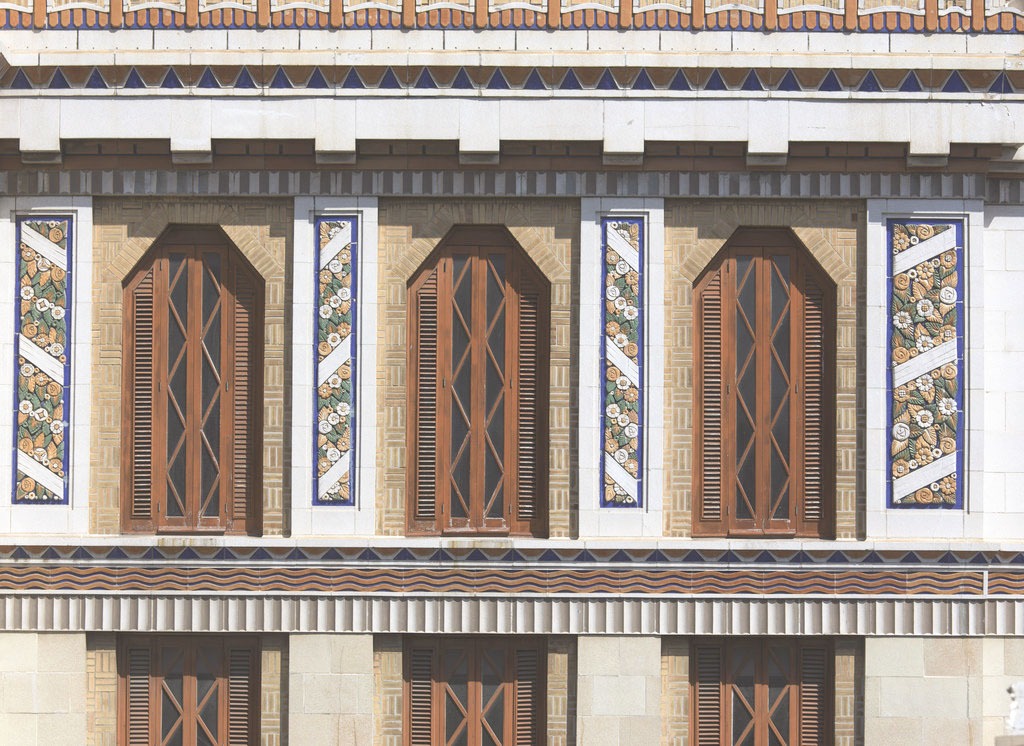
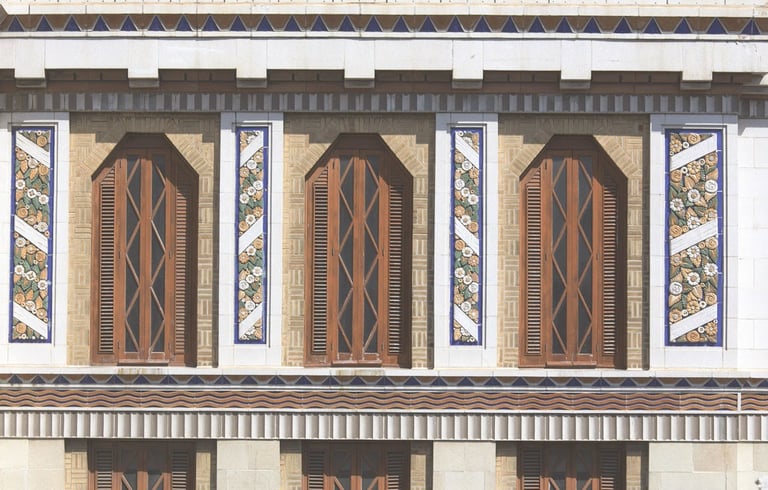
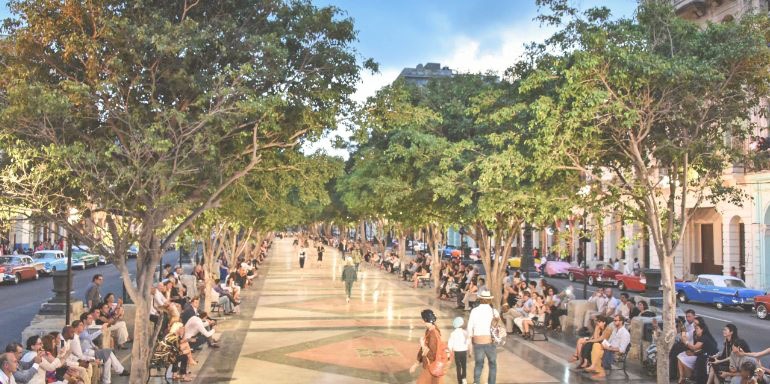
Type: Insight Study
Focus: Material & Design Language
Year: 2022
01
Contextual Observations
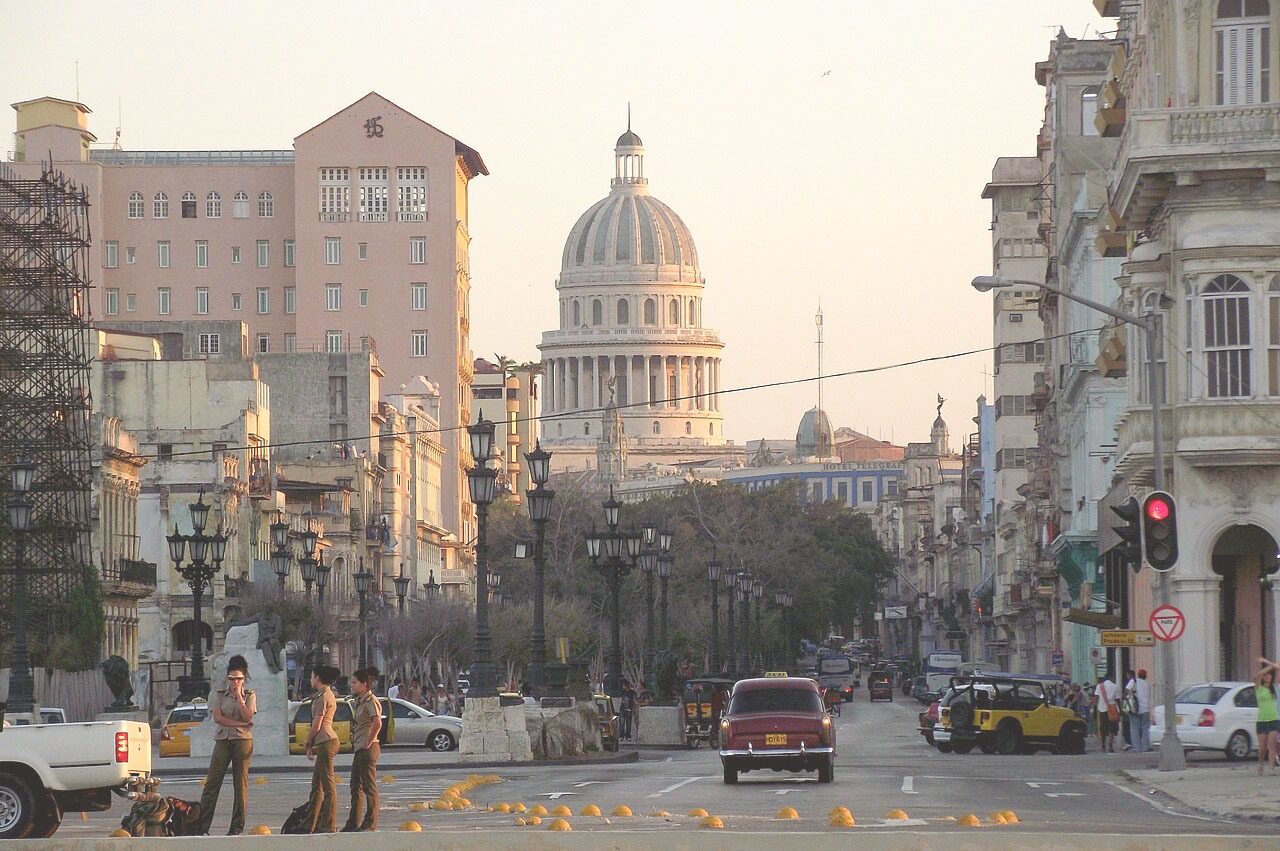
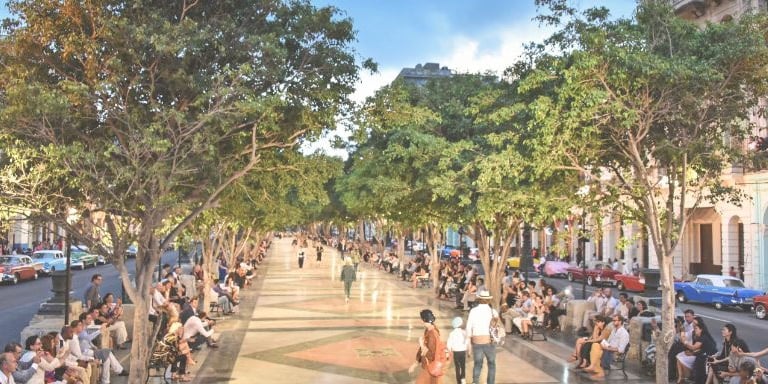
Havana’s public spaces are shaped by a rich architectural language defined by rhythm, colour, ornament, climate-responsive design, and layered historical influences.
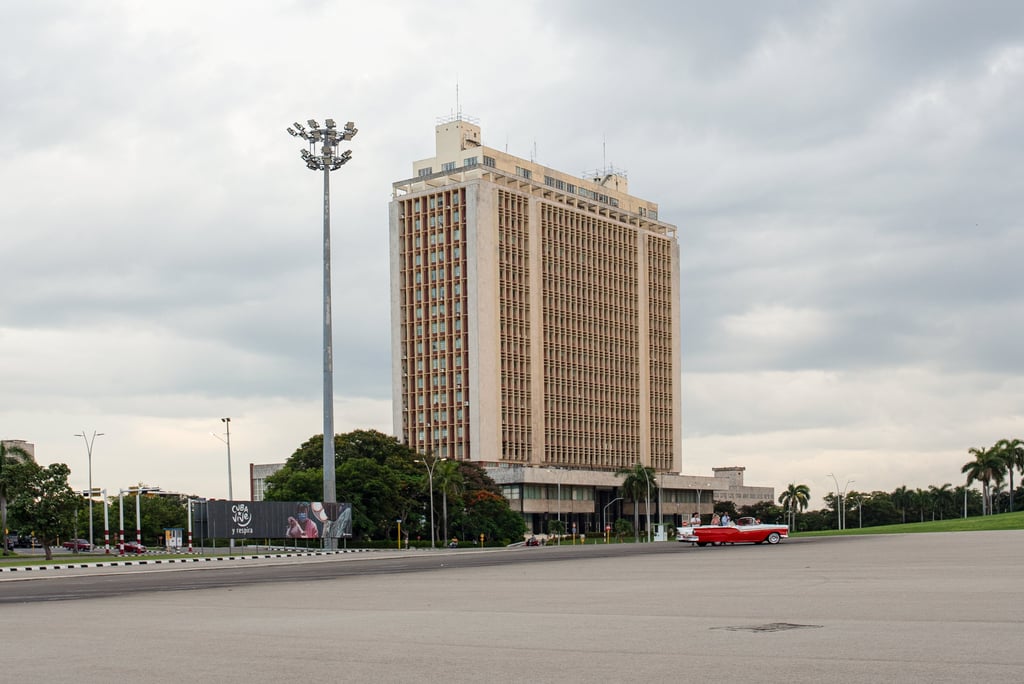
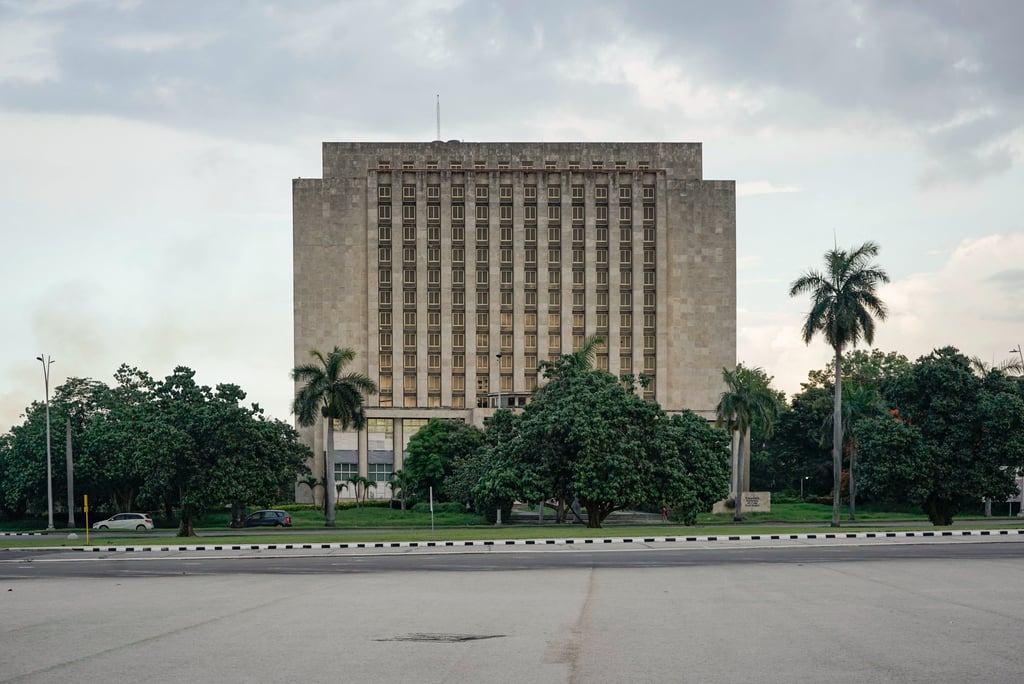
The study explored relationships between civic space, movement, cultural identity, and social activity across Plaza de la Revolución and its surrounding urban context.
02
Material & Palette Analysis
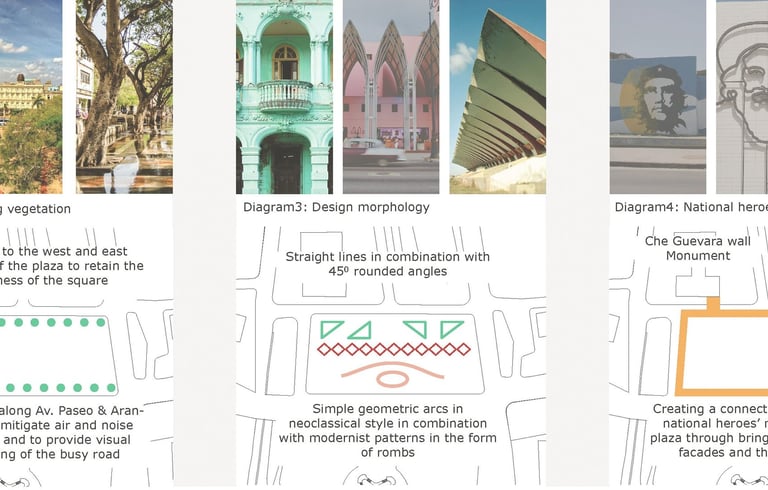
The analysis examined the colours, textures, paving patterns, vegetation, and architectural details that contribute to Havana’s distinctive urban identity.
Traditional materials and local craft references were studied alongside modern interventions to understand how old and new architectural languages coexist across the city.
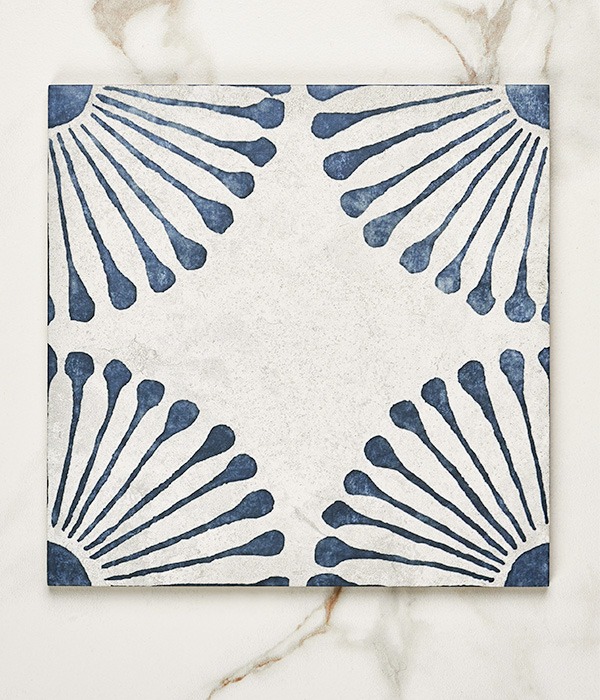
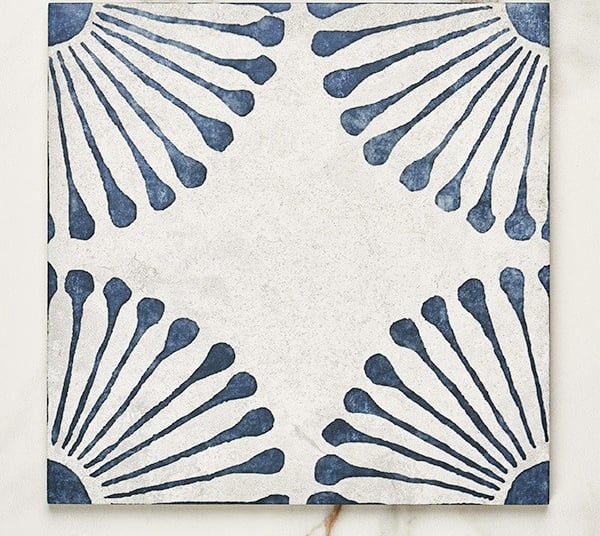
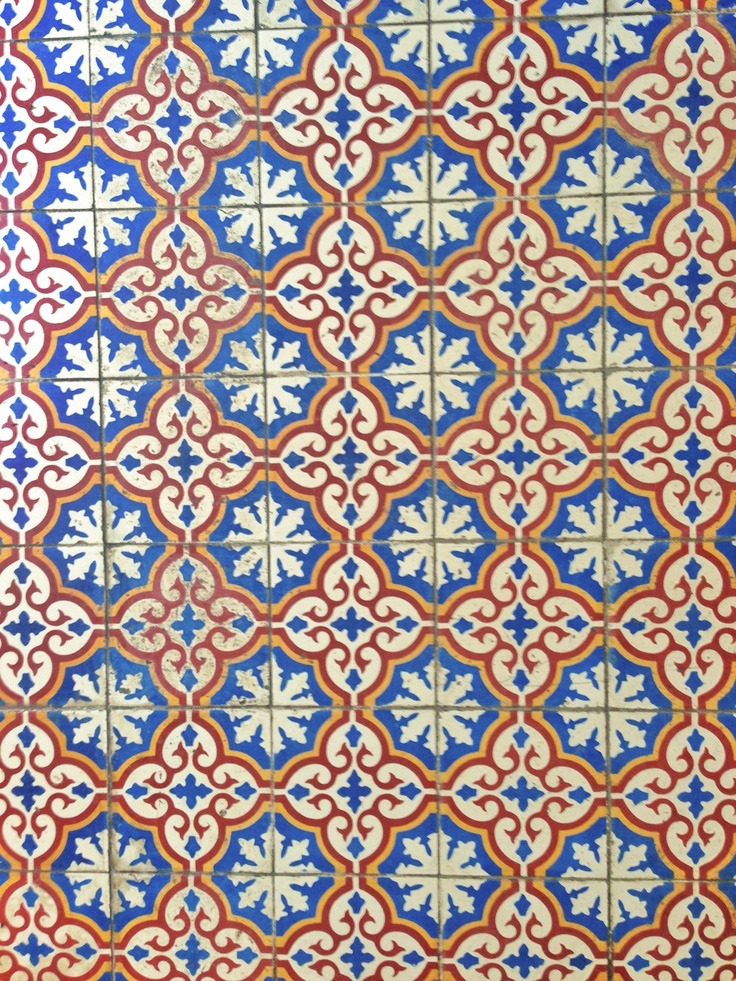
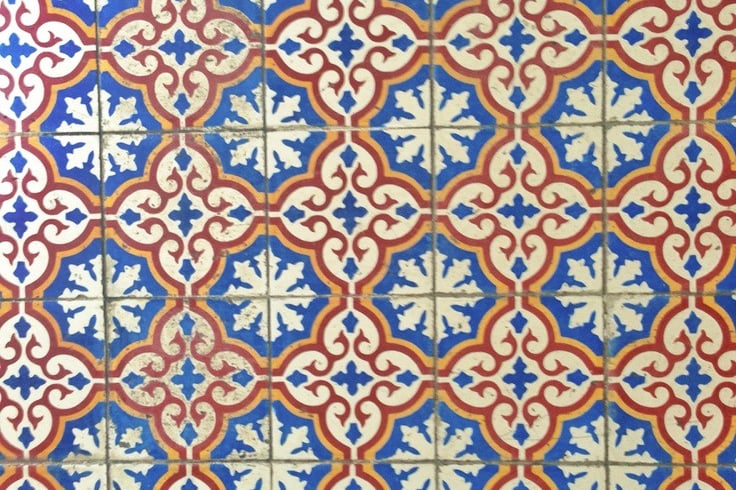
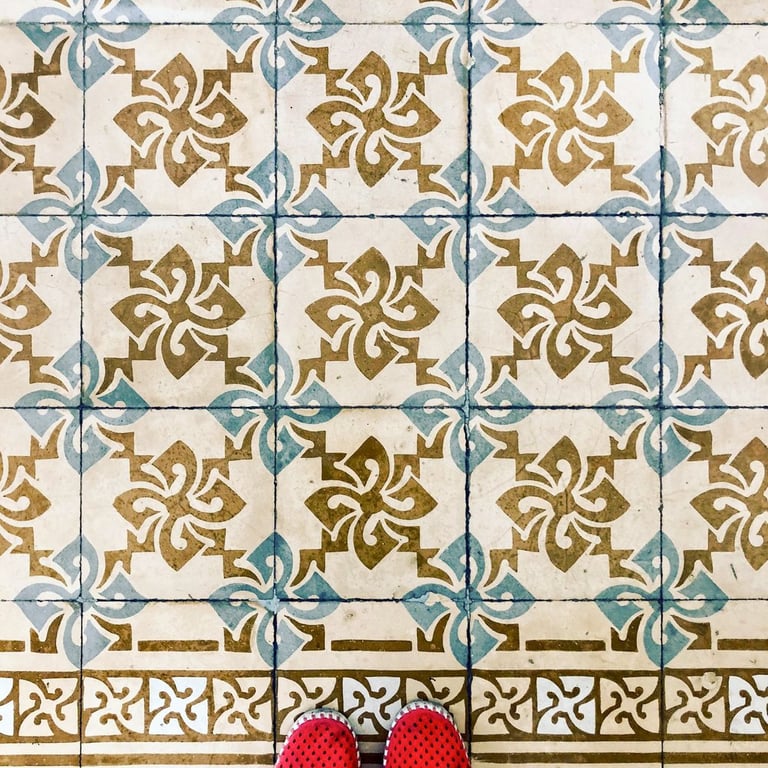
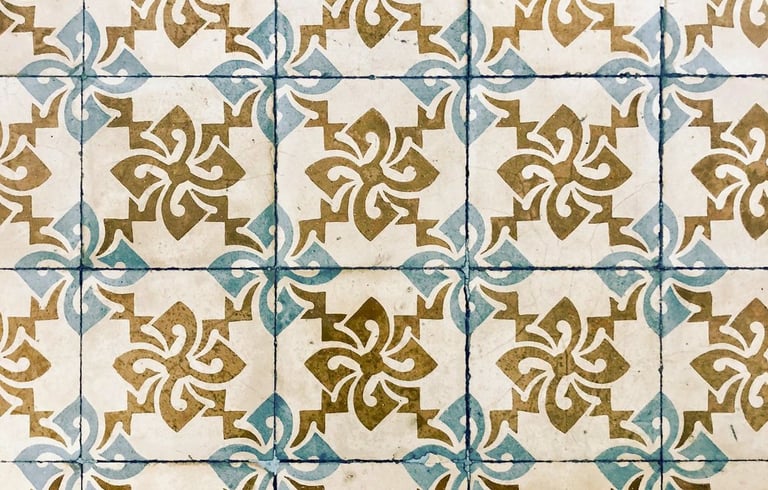
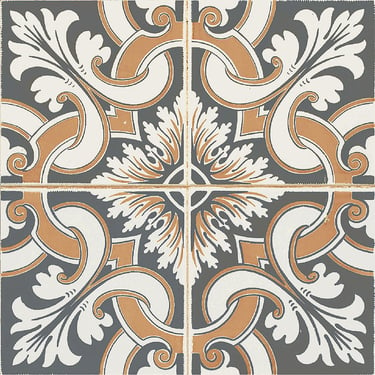
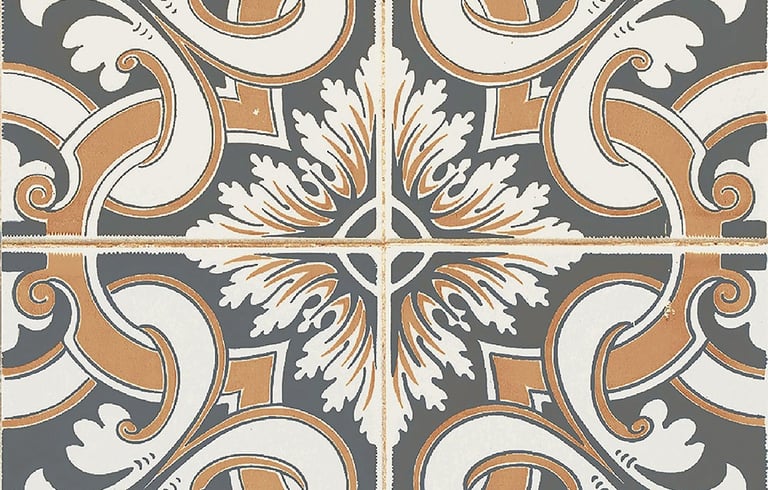
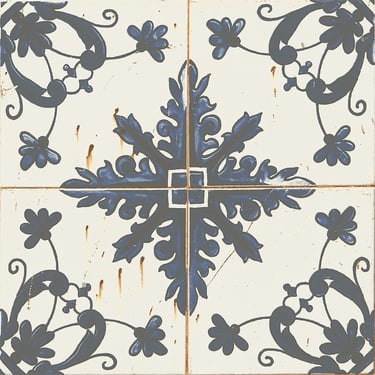
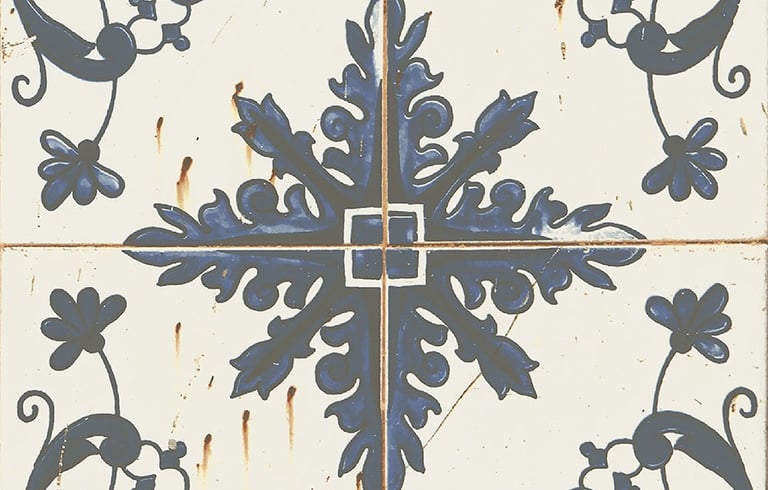
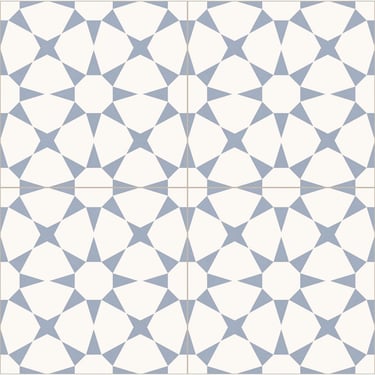
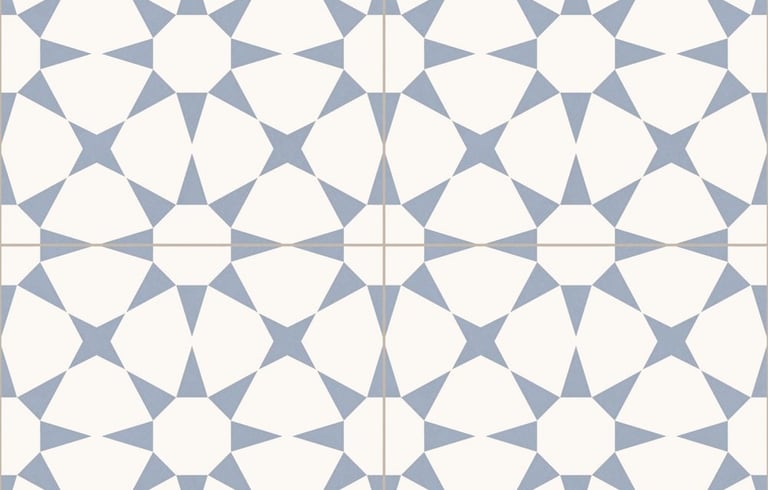
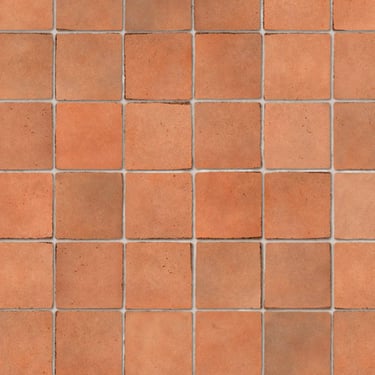
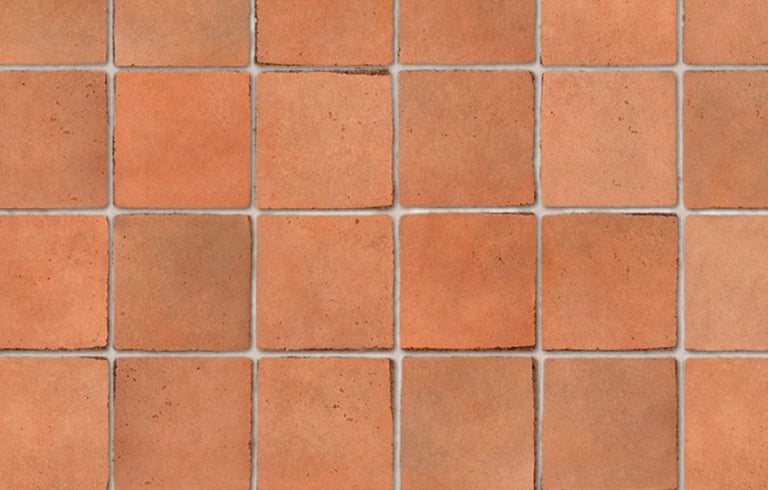
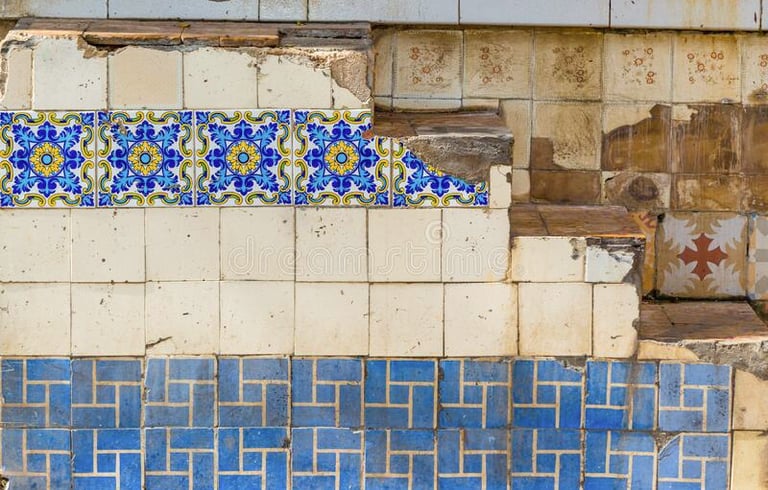
The resulting palette informed:
surface treatment,
planting character,
street furniture,
and public realm atmosphere.


Local precedents and traditional craftsmanship informed the interpretation of contemporary landscape elements throughout the study.
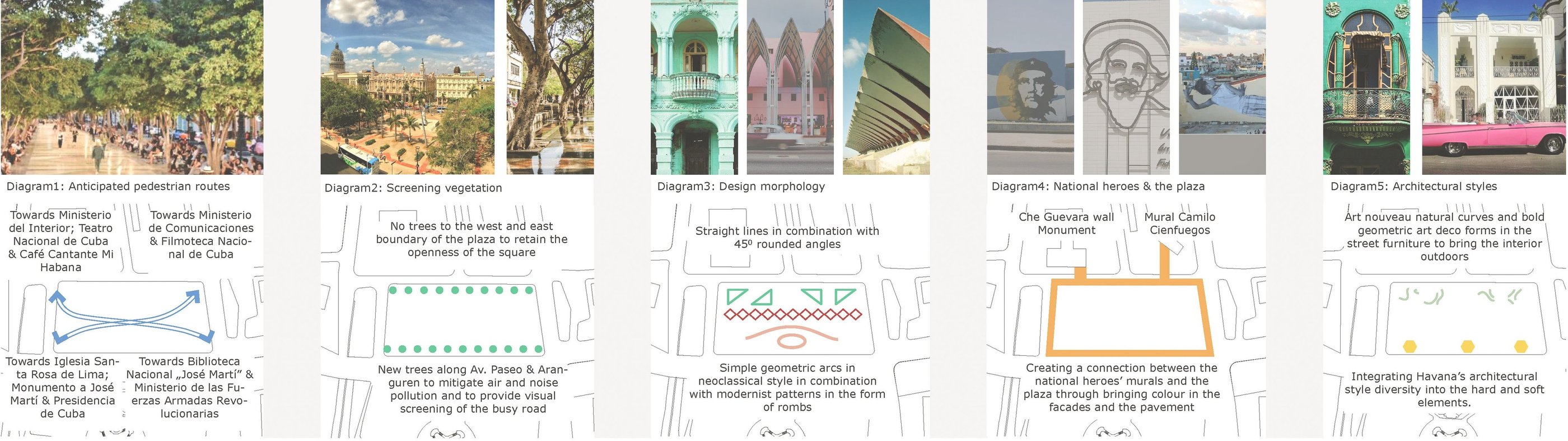
Key Insight
Landscape design can draw from local material identity, cultural memory, and architectural character to create public spaces that feel rooted in place while remaining adaptable and contemporary.

03
Detail References
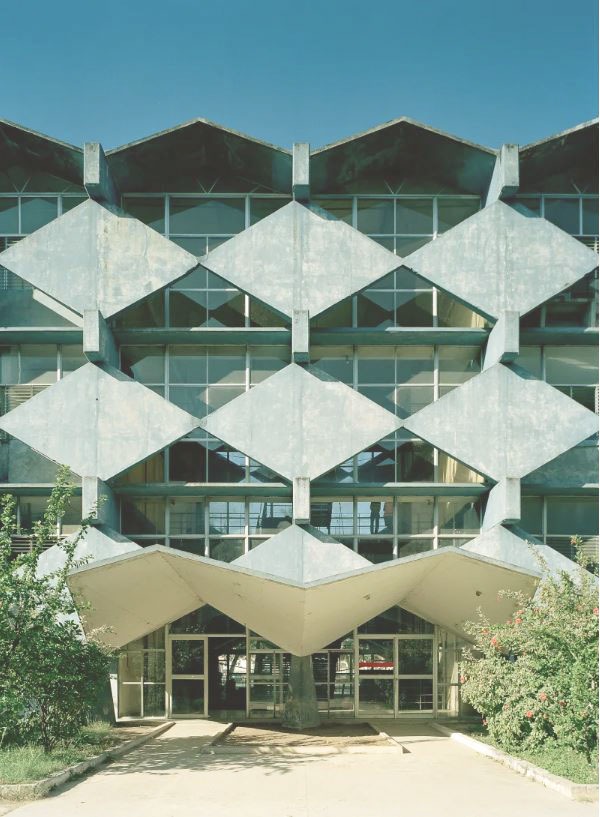
Architectural motifs, geometric forms, paving rhythms, lighting references, and tropical planting patterns were analysed as part of a wider exploration of identity and spatial experience.
The study explored how subtle references to local culture and materiality can strengthen public realm character without replicating historical forms directly.